Job Share Connect
Product Design | Research
Project Overview
Design a web app to help connect people to job sharing opportunities around the country and create job share matches with between users.
My Contributions
Lead Designer, Researcher
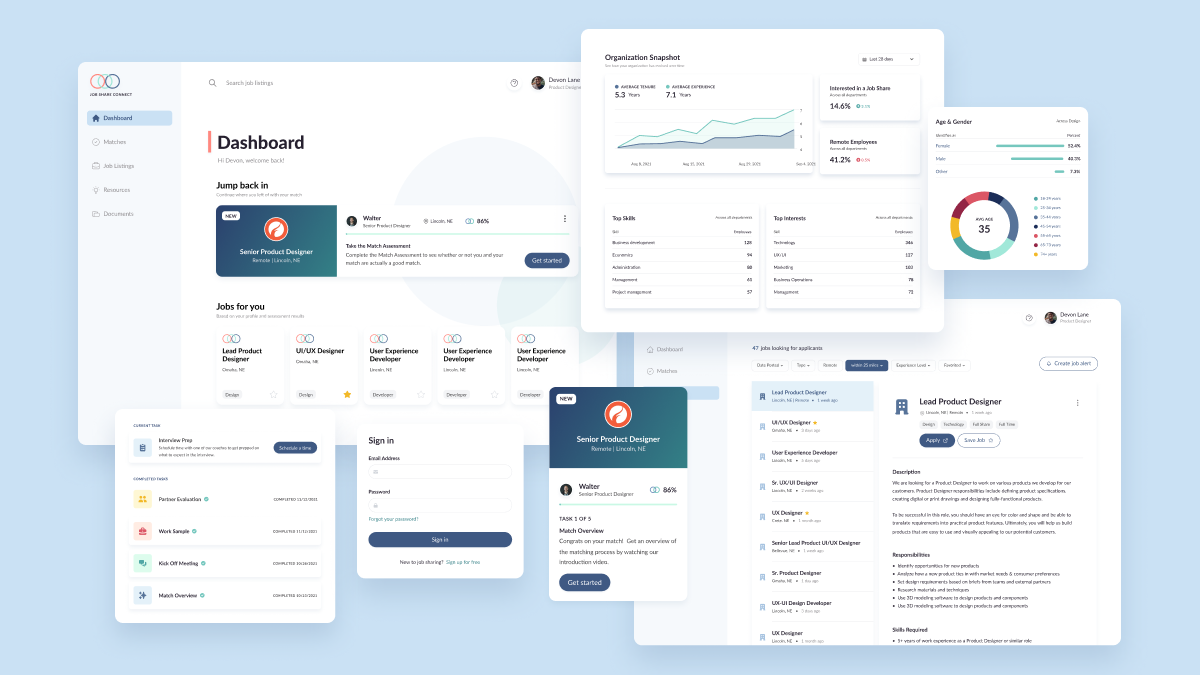
An assortment of screens and UI elements used on the Job Share Connect web app.
Project Goal
Job Share Connect is a start-up from Omaha, NE with the mission to "create mutually beneficial job share opportunities that promote work-life integration and help companies hire and retain top talent for the multi-generational workplace of the future."
If you're unfamiliar with job sharing, the basic concept is that two people share the workload and salary of a single full-time position. This is great for caregivers, pre-retirees, individual re-entering the workforce, or people looking to branch into new fields.
The goal of this project was to build out an application that allowed users to easily find job sharing opportunities, match them with other users, and help them throughout their journey from employment to exiting.
We also had to build the employer side for talent recruiters and admins to post jobs, review candidates, and access our talent pool analytics.
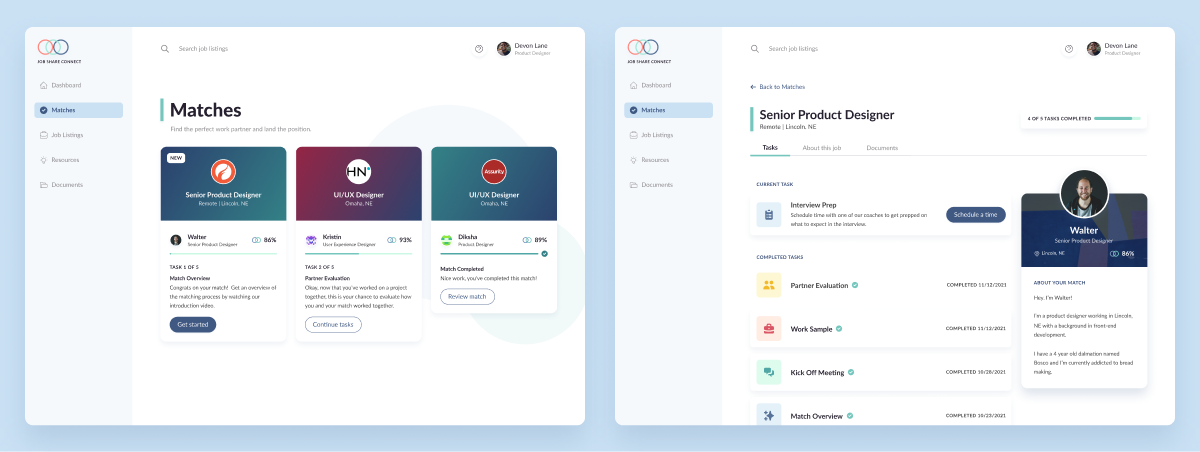
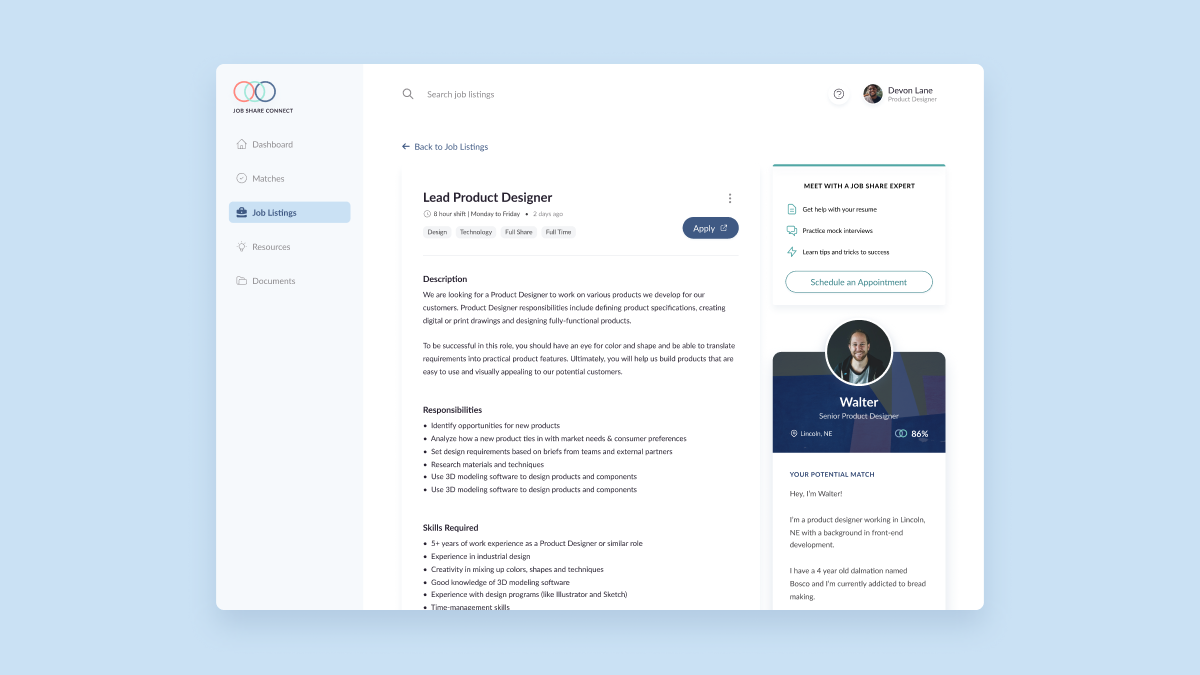
Users are able to review matches and work through tasks to see if they're compatible for the position.
Research
Job sharing is a relatively new concept here in the United States, so at the onset, we did a lot of research on companies doing similar things such as Roleshare and Work Muse.
This also needed job posting functionality and user profiles, which led us to diving deep into websites like Indeed, LinkedIn, Zip Recruiter, etc.
Throughout the process we conducted usability studies with various demographics within our personas, surveying 100+ potential users and learning what features they expected and needed to succeed.
Explorations
The brand was completely new at the beginning of this project, so with only a logo designed, a small design system was created with common components, colors, typography, etc.
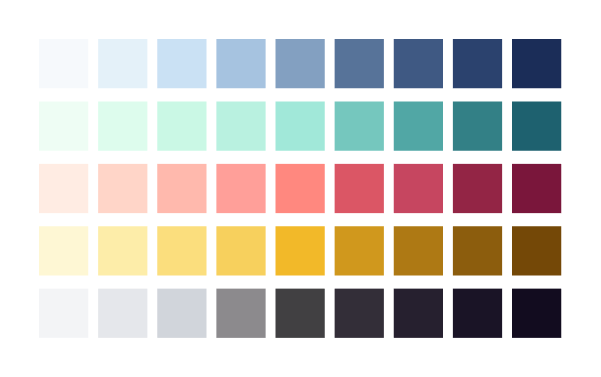
The vision was for a very light and airy interface that felt welcoming and friendly, while still being WCAG 2.1 accessible.
There was also the question of figuring out each of the user flows and the various paths they needed to be able to take.
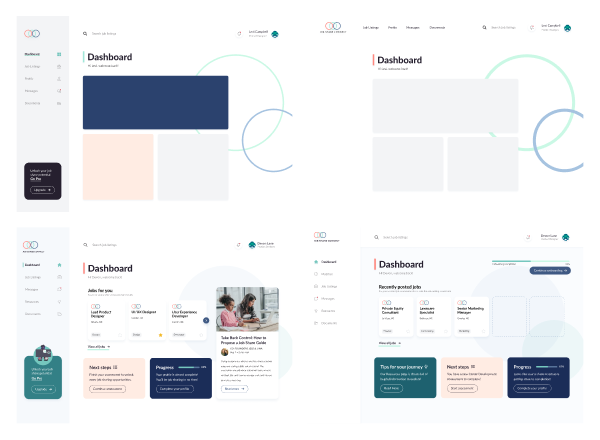
Early iterations of the user dashboard.
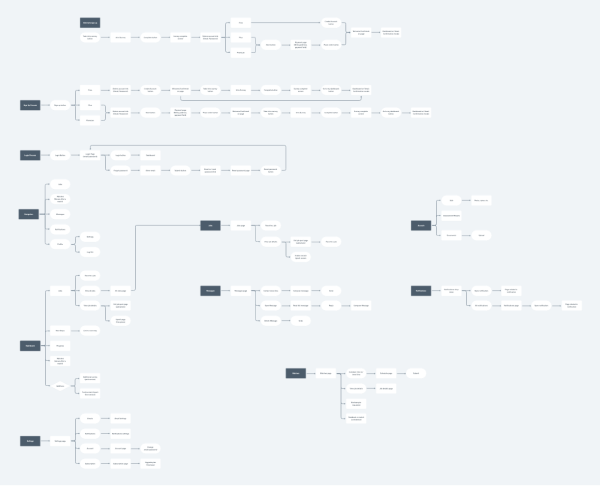
User workflows identified for Talent user.
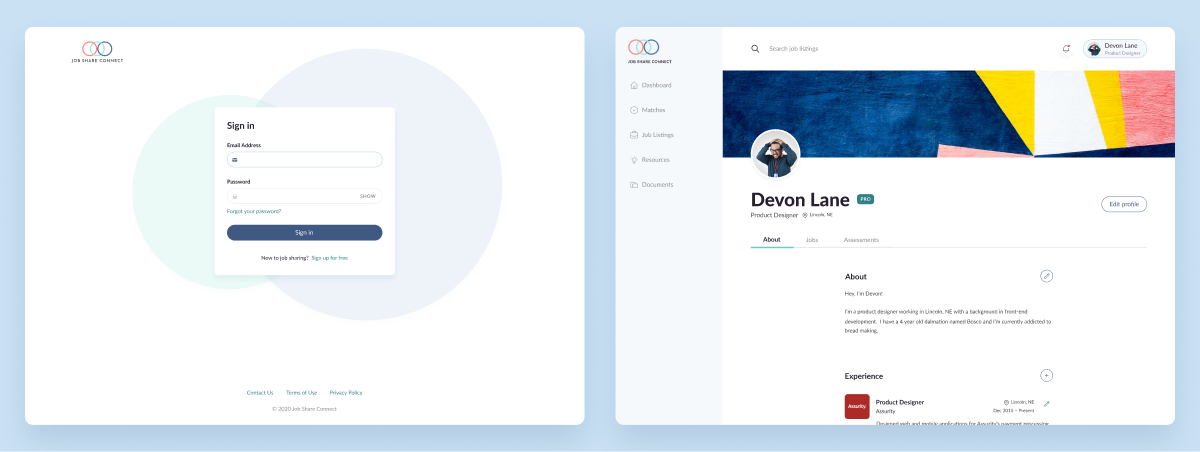
Sign In and Profile pages
Talent & Employers
There were two main user groups that had to be accounted for within the design of the platform. Talent and Employers.
Talent users were job seekers looking for job share opportunities. They needed to be able to fill out profiles, search for jobs, match with users, and follow their journey on the site throughout the hiring process.
Employers on the other hand had completely different workflows to account for. They needed to be able to fill out personal and company profiles, post and update job listings, manage applicants, view the talent pool analytics, and be able to keep track of everything in the hiring process.
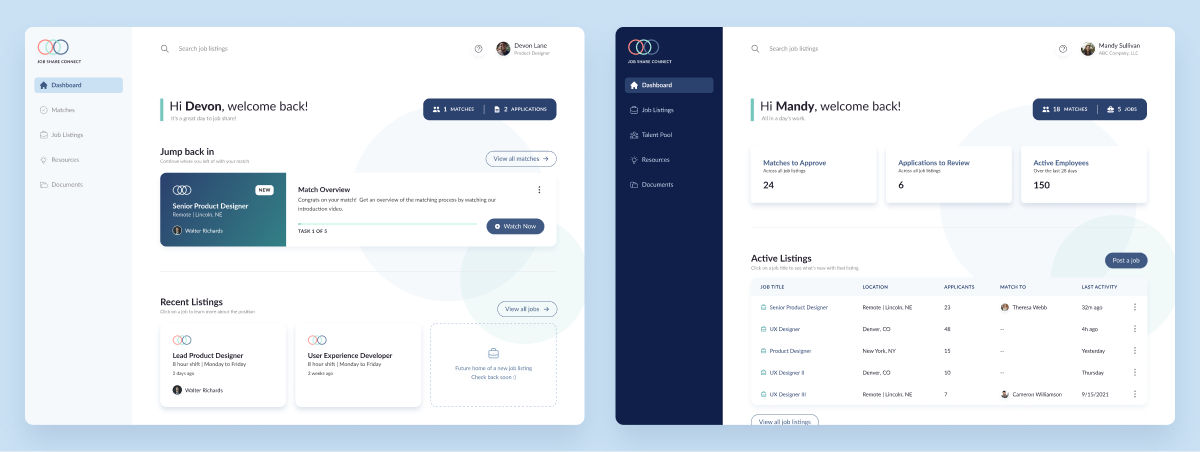
Dashboards for each of the user types.
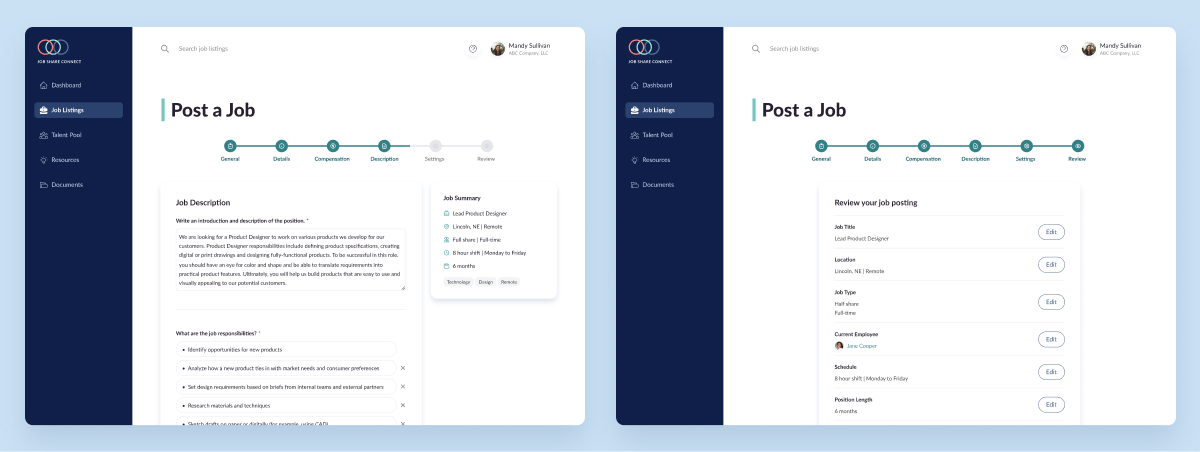
Posting a job also had a lot of extra things to consider due to the job share space. Extra fields for whether an existing employee would be half of the job share needed to created.
Plus we had to account for all of the other features that a modern job posting website offers, such as breakdown of pay, benefits, schedules, remote workplaces, etc.
Samples of the job posting workflow.
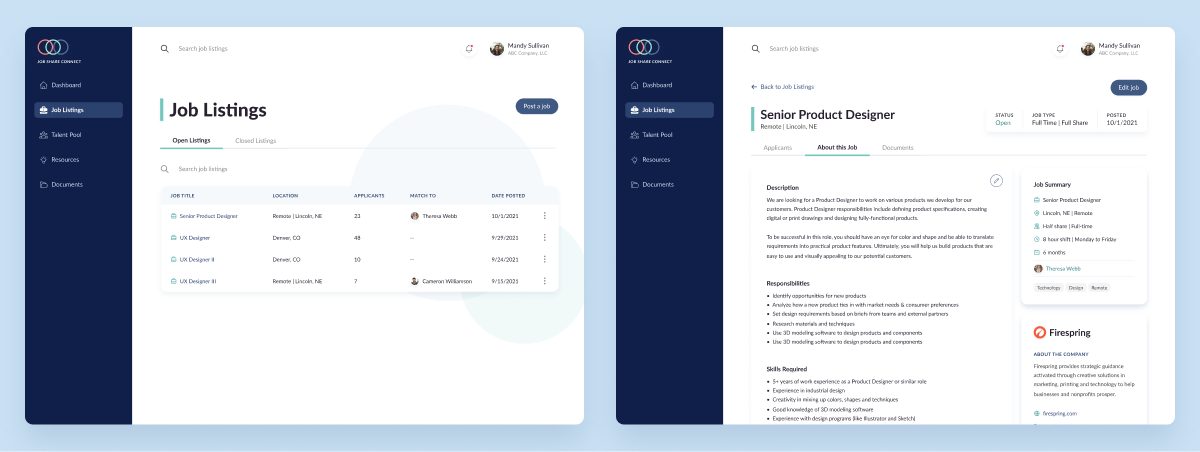
Employers also needed to be able to edit job postings, review applicants and upload documents pertaining to the position and hiring process.
Samples of the job listings workflow.
Talent Pool
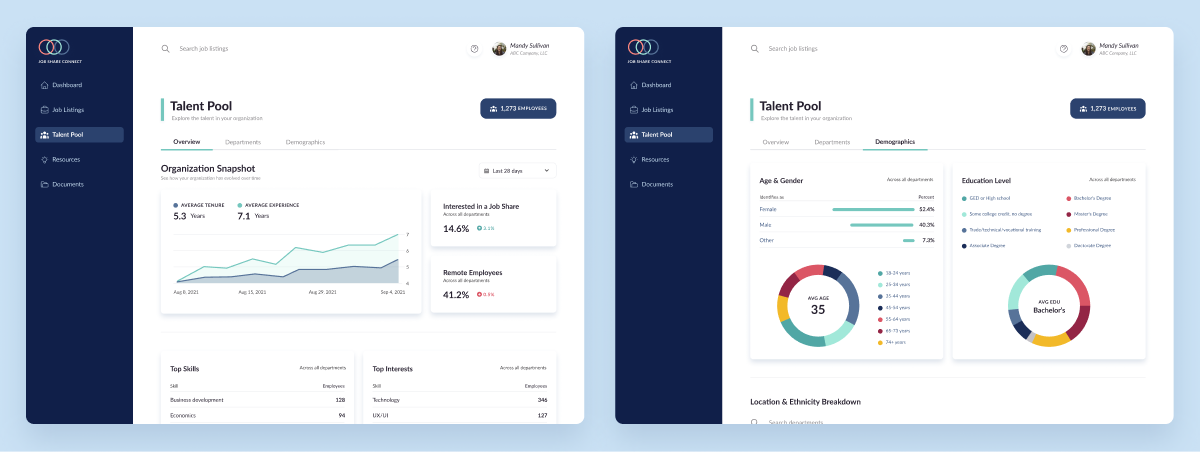
The talent pool was the biggest sell for most of the initial workplaces we worked with. It was a user analytics database that gave employers a look into the skills, location, demographics, and experience levels of the users on the platform within an organization.
Admin users would have the ability to dive into certain roles and skillsets to see data across their workforce and identify gaps and opportunities for job sharing.
Samples of the Talent Pool.
Outcome
The initial design work and presentation led the co-founders to win a $60,000 grant from the state of Nebraska to get the platform developed.
Today, you can sign up and fill out your own talent profile to see the jobs available and the site is constantly getting updated with new features and updates.
As of writing, there are just a few hundred people on the platform as it is still in beta, but the plan is to go completely live by the end of summer 2022.
Interior page of a job listing for a Talent user.